
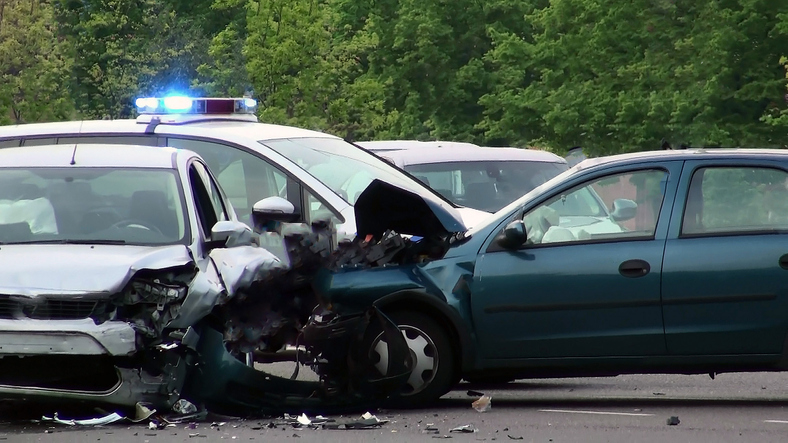
A viral news story out of England is putting a grim spotlight on a scenario no parent wants to imagine — their teenager trapped in a vehicle driven by a drunk, speeding adult who admitted before the crash she was dangerous. The case of Faye Dawson, a 50-year-old woman who received a 14-month jail sentence after injuring four teenagers in a high-speed crash, raises serious questions about passenger rights, parental liability, and what injury victims can actually do after a preventable collision.
Whether you’re following this story from afar or you’ve experienced a similar situation closer to home, the legal principles at play are ones every parent — and every teen passenger — should understand.
What Happened in the Faye Dawson Case
On the night of March 7, 2025, Faye Dawson picked up five teenagers, ages 14 and 15, just after 11 p.m. while already intoxicated. Before the group even left, dashcam footage captured her telling the kids — in explicit terms — that she had been drinking, that she wasn’t a safe driver, and that she wouldn’t be responsible if they died.
She then drove at 80 miles per hour, 20 mph over the speed limit, on the wrong side of the road. The teenagers could be heard on the footage screaming and begging her to slow down. The vehicle eventually rolled, leaving the teens trapped. Four of the five passengers were injured, one of them seriously enough to require hospital treatment for a spinal fracture.
Dawson was arrested, prosecuted, and sentenced to 14 months in jail. But criminal punishment and civil justice are two separate things — and for the injured teens and their families, the criminal verdict is only part of the story.
The Civil Side of a Criminal Crash
Here’s something many people don’t fully grasp: a criminal conviction doesn’t automatically get injured victims their medical bills paid, their lost wages recovered, or their pain and suffering acknowledged. Criminal proceedings are brought by the government. Civil personal injury claims are brought by the victims themselves.
In cases like the Dawson crash, the injured teenagers (through their parents or guardians, since they’re minors) would have the right to pursue a separate civil lawsuit against the driver for damages. Those damages can include:
- Emergency medical treatment and ongoing care
- Physical therapy and rehabilitation for injuries like spinal fractures
- Psychological counseling for trauma and anxiety
- Pain and suffering
- Any long-term disability or impairment
One of the victims described to UK outlet LBC that she became afraid to ride in cars, suffered recurring nightmares, and dealt with back pain for more than six months after the crash. These aren’t abstract harms — they’re the kind of ongoing consequences that a personal injury claim is specifically designed to address.
Why Dashcam Footage Changes Everything
The Dawson case is a stark example of how in-vehicle footage can make or break a claim. The dashcam didn’t just capture the crash itself — it captured the driver openly admitting she was impaired and dangerous before the vehicle even moved. That’s evidence that removes virtually all ambiguity about fault.
In the United States, dashcam footage, surveillance video, and even cell phone recordings from accident scenes are routinely used in personal injury cases. If you’re in a crash — or if your child is — preserve any footage immediately. Do not assume it will be saved automatically. According to the National Safety Council, human error is a factor in more than 90 percent of serious crashes, and documentation is often the key to proving it.
Passenger Rights After a Drunk Driving Crash
Passengers often feel uncertain about their rights after a crash, especially when the at-fault driver is someone they know. This hesitation is understandable but can work against them.
As a passenger injured in a vehicle operated by an impaired or reckless driver, you typically have a strong personal injury claim. You were not operating the vehicle. You did not cause the crash. The driver owed you a duty of care, and they breached it — often in an obvious, documented way.
The same applies to parents whose minor children are injured as passengers. You can pursue claims on their behalf for medical costs, trauma-related therapy, and other harms.
If the driver carried auto insurance, that policy is often the first source of compensation. In cases involving alcohol, there may also be grounds to explore other liable parties depending on the circumstances — including whether alcohol was provided to the driver by a third party in violation of dram shop laws, which vary by state.
What to Do If Your Child Is Injured in a Car Crash
The moments and days after a crash are chaotic. Here’s a practical checklist for parents:
- Seek medical attention immediately, even if injuries seem minor. Spinal injuries and traumatic brain injuries can present with delayed symptoms.
- Document everything — photos of the scene, the vehicles, any visible injuries, and the surrounding area.
- Preserve all footage — request dashcam or surveillance footage before it gets overwritten.
- Get the police report and obtain a copy as soon as it’s available.
- Write down a detailed account of what happened while it’s fresh, including any statements made by the driver.
- Avoid speaking with the at-fault driver’s insurance company without legal guidance. Adjusters are trained to minimize payouts.
- Consult a personal injury attorney before accepting any settlement. Once you sign a release, you generally cannot pursue additional compensation.
The Long-Term Consequences Families Often Underestimate
A spinal fracture in a 14-year-old isn’t just a short-term medical issue. Depending on severity, it can affect a young person’s physical development, athletic activity, ability to concentrate in school, and long-term quality of life. Psychological trauma from a crash — nightmares, anxiety, fear of riding in cars — is also a recognized and compensable harm.
When families rush to settle quickly, often because the medical bills are piling up, they risk accepting far less than the full scope of their child’s injuries warrants. A personal injury attorney can bring in medical experts, vocational specialists, and mental health professionals to document the true extent of the harm and fight for fair compensation.
How a Car Accident Attorney Can Help
Experienced personal injury attorneys handle the legal complexities so families can focus on recovery. That means gathering and preserving evidence, communicating with insurance adjusters, calculating the real value of current and future damages, and, when necessary, taking a case to trial.
Attorney fees in personal injury cases are almost always contingency-based — meaning you pay nothing upfront and the attorney only gets paid if you recover compensation. That structure makes legal representation accessible to families who might otherwise feel they can’t afford it.
If you’ve been affected by a reckless or impaired driver, don’t navigate the aftermath alone. You can contact our Athens, GA car accident attorneys today for a free consultation.
Frequently Asked Questions
Can passengers sue a drunk driver for injuries?
Yes. Passengers injured in a crash caused by an impaired or reckless driver have the right to file a personal injury claim against that driver. Being a passenger means you had no control over the vehicle and bear no fault for the collision.
What compensation can an injured passenger recover?
Recoverable damages typically include medical expenses (past and future), lost wages or lost earning capacity, physical therapy and rehabilitation costs, pain and suffering, and compensation for emotional trauma or psychological harm.
Does a criminal conviction help a civil case?
It can. A conviction establishes that the driver was legally found to have acted wrongfully. While civil and criminal cases operate independently, a conviction can support a plaintiff’s position in a related personal injury claim.
How long do I have to file a personal injury claim after a car accident?
Statutes of limitations vary by state. In Georgia, injured parties generally have two years from the date of the accident to file a personal injury claim. Claims involving minors may have different rules. Consulting an attorney early protects your options.
What if the at-fault driver had no insurance?
Uninsured motorist coverage on your own auto policy may cover your damages. An attorney can review all potential sources of compensation, including underinsured motorist coverage if the at-fault driver’s policy limits are insufficient.
Can I file a claim on behalf of my injured minor child?
Yes. Parents or legal guardians can bring personal injury claims on behalf of minor children. Settlements involving minors typically require court approval to ensure the child’s interests are protected.
What evidence is most important in a passenger injury claim?
Key evidence includes the police report, dashcam or surveillance footage, medical records, photographs of the scene and injuries, witness statements, and any documentation of the driver’s impairment such as blood alcohol test results.
Should I talk to the other driver’s insurance company?
No — not without legal guidance. Insurance adjusters may record your statements and use them to minimize or deny your claim. Directing all communications through your attorney protects your rights.