
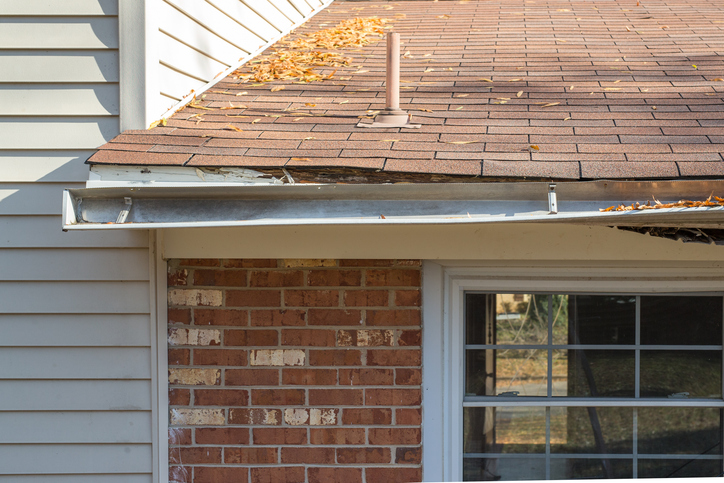
Construction projects shape the skylines of growing cities and the neighborhoods where families live. But when buildings fail to perform as intended—due to design flaws, poor materials, or improper construction—the results can be costly and dangerous.
Across the United States, construction defect claims have become a major area of property and construction litigation. From leaking roofs in residential developments to structural issues in commercial buildings, defects can affect property values, safety, and long-term maintenance costs.
Understanding how construction defects occur—and what legal remedies may be available—helps property owners, developers, and investors protect their interests when a project does not meet professional standards.
What Is a Construction Defect?
A construction defect occurs when a building or structure fails to perform as intended due to problems in design, materials, or workmanship.
According to guidance from the National Association of Home Builders, defects can arise from multiple sources, including architectural planning, engineering calculations, or contractor performance.
Construction defects typically fall into four primary categories.
Design Defects
Design defects occur when architects or engineers create plans that contain errors or omissions. These mistakes can affect structural integrity, drainage systems, ventilation, or other essential elements of a building.
For example, an improperly designed roof drainage system could allow water to pool and eventually damage structural components.
Material Defects
Material defects occur when the products used in construction fail or perform poorly. Examples include defective drywall, faulty electrical wiring, or substandard plumbing materials.
The U.S. Consumer Product Safety Commission has documented numerous cases in which defective construction materials caused structural damage or safety hazards in residential developments.
Workmanship Defects
Workmanship defects are among the most common types of construction problems. These occur when contractors or subcontractors fail to follow proper installation procedures or building codes.
Examples include:
-
Improperly installed roofing
-
Poorly sealed windows and doors
-
Faulty foundation work
-
Incorrect electrical installations
Subsurface Defects
Subsurface defects involve problems with the soil or ground beneath a structure. If developers fail to properly test soil conditions before construction, buildings may suffer from foundation movement, cracking, or instability.
The U.S. Geological Survey notes that soil composition and groundwater conditions can significantly influence the structural performance of buildings.
Patent vs. Latent Construction Defects
Construction law often distinguishes between patent defects and latent defects.
Patent Defects
Patent defects are visible and can usually be identified during a standard inspection. Examples might include cracked siding, missing shingles, or improperly aligned structural components.
Latent Defects
Latent defects are hidden problems that may not appear until months or even years after construction is complete.
Common latent defects include:
-
Hidden water intrusion
-
Structural framing issues
-
Foundation settlement
-
Mold growth behind walls
Because latent defects remain hidden initially, they often lead to complicated legal disputes when property owners discover them long after a project is finished.
The Legal Framework for Construction Defect Claims
Construction defect litigation often involves several areas of law, including:
-
Contract law
-
Tort law (negligence)
-
Warranty law
-
Building code enforcement
Courts frequently evaluate whether construction professionals met the industry standard of care, meaning the level of competence expected from similarly trained professionals.
The American Bar Association notes that proving liability in construction cases often requires expert testimony from engineers, architects, or construction specialists who can explain how a defect occurred and who may be responsible.
In many disputes, multiple parties may share liability, including:
-
General contractors
-
Subcontractors
-
Architects
-
Engineers
-
Product manufacturers
-
Developers
This layered responsibility is one reason construction defect litigation can become highly complex.
Construction Defect Issues in Houston’s Rapid Development
Few cities illustrate the importance of construction defect law more clearly than Houston, Texas.
Houston’s rapid population growth and ongoing real estate development have produced thousands of new residential and commercial construction projects over the past two decades.
Large development pipelines can sometimes increase the risk of construction issues, particularly when projects involve numerous contractors and tight building schedules.
In Texas, many construction defect disputes are governed by the Texas Residential Construction Liability Act (RCLA), which outlines specific procedures homeowners must follow before filing certain legal claims.
For example, homeowners typically must provide builders with notice of alleged defects and allow an opportunity for repairs before pursuing litigation.
When property owners face structural issues, water damage, or other serious building problems, seeking legal guidance may help clarify their options. Many individuals dealing with these situations choose to Contact a Houston construction defect lawyer today to evaluate whether the problem may involve negligence, breach of contract, or warranty violations.
The Financial Impact of Construction Defects
Construction defects can lead to significant financial consequences for property owners.
Potential costs may include:
-
Structural repairs
-
Water damage remediation
-
Mold removal
-
Decreased property value
-
Lost rental income
-
Safety hazards for occupants
In large commercial developments or condominium associations, repair costs can sometimes reach millions of dollars.
Insurance disputes may also arise, as insurers and contractors often disagree about whether a defect resulted from poor workmanship or external damage.
Legal Remedies for Construction Defects
When a construction defect is proven in court, several legal remedies may be available.
Repair Costs
The most common remedy is compensation for repairing the defective construction.
Diminished Property Value
If repairs cannot fully restore the property’s value, courts may award damages reflecting the loss in market value.
Consequential Damages
In some cases, property owners may recover additional losses caused by the defect, such as relocation expenses or business interruption.
Contract Remedies
Construction contracts often include provisions governing dispute resolution, which may require mediation or arbitration before litigation.
Why Construction Defect Litigation Is Increasing
Construction defect claims appear to be rising nationwide for several reasons:
-
Rapid urban development
-
Increasingly complex building systems
-
Supply chain disruptions affecting construction materials
-
Greater consumer awareness of legal rights
Modern buildings often involve dozens of subcontractors and advanced engineering systems, making coordination more difficult and increasing the possibility of errors.
At the same time, property owners are more informed than ever about their rights when construction failures occur.
Final Thoughts
Construction projects involve enormous investments of time, labor, and capital. When buildings fail to meet professional standards, the consequences can extend far beyond a single contractor or developer.
Construction defect law provides a legal framework for resolving these disputes and ensuring that property owners are not left responsible for costly structural problems caused by negligence or faulty construction.
As cities continue to expand and development accelerates, understanding the legal implications of construction defects will remain essential for homeowners, developers, and investors alike.
Frequently Asked Questions About Construction Defects
What qualifies as a construction defect?
A construction defect is a flaw in a building’s design, materials, or workmanship that reduces its value or creates a safety risk.
How long do homeowners have to file a construction defect claim?
The timeline varies by state and often depends on statutes of limitation and statutes of repose. These laws determine how long after construction a claim may be filed.
Are builders responsible for fixing defects?
In many cases, builders may be responsible if they failed to meet professional standards or contractual obligations. However, liability may also involve architects, subcontractors, or material suppliers.
What should I do if I suspect a construction defect?
Property owners should document the issue, review construction contracts and warranties, and consider seeking professional legal or engineering guidance.